This guide clarifies appropriate Army Physical Training (PT) uniform choices based on temperature‚ ensuring soldier comfort and adherence to regulations.
Purpose of the Guide
This comprehensive guide serves as a vital resource for all Army personnel‚ detailing appropriate PT uniform combinations across a spectrum of temperature ranges. Its primary aim is to standardize PT uniform selection‚ ensuring soldiers are adequately prepared for physical training in varying weather conditions.
By providing clear guidelines‚ this document minimizes ambiguity and promotes consistent application of Army regulations concerning cold weather PT attire. It also assists commanders in making informed decisions regarding uniform standards within their units‚ balancing mission readiness with soldier well-being. Ultimately‚ this guide aims to optimize performance and prevent weather-related injuries during PT activities.
Understanding Cold Weather PT Regulations
Army regulations prioritize soldier health and mission readiness during cold weather PT. Commanders retain the authority to adjust uniform standards based on local conditions‚ but must adhere to overarching guidelines. Generally‚ as temperatures decrease‚ layering becomes essential.
Below 40°F (4°C)‚ gloves and PT caps are often mandatory‚ while below 20°F (-7°C)‚ more substantial cold weather gear is required. Soldiers are expected to proactively monitor weather forecasts and adjust their attire accordingly. Understanding these regulations‚ and utilizing resources like my.ippsa.army.mil‚ is crucial for maintaining both individual well-being and unit effectiveness during cold weather training.
Temperature Ranges and Uniform Combinations
This section details recommended PT uniform combinations correlated with specific temperature ranges‚ ensuring soldiers are appropriately prepared for physical training.
50°F ‒ 60°F (10°C ‒ 15°C)
Within this temperature range‚ a lightweight and breathable PT uniform is generally sufficient for physical training. Soldiers can comfortably utilize the standard Army Physical Fitness Uniform‚ consisting of a short-sleeved or long-sleeved PT shirt paired with PT shorts or pants.
Focus should be placed on moisture-wicking materials to manage perspiration effectively during exercise. While not mandatory‚ a light windbreaker may be considered for added comfort‚ particularly during warm-up or cool-down phases. Proper running shoes and PT socks are essential components of this uniform combination‚ ensuring foot protection and comfort throughout the training session.
Lightweight PT Uniform Options
For conditions between 50°F and 60°F‚ prioritize lightweight‚ breathable options. The standard Army PT shirt‚ available in both short and long-sleeved varieties‚ forms the base layer. Pair this with PT shorts for warmer conditions or PT pants as the temperature dips towards the lower end of the range.
Moisture-wicking fabrics are crucial to maintain comfort during physical exertion. Consider incorporating athletic socks designed for running and training. Footwear should consist of approved running shoes providing adequate support and cushioning. This combination allows for optimal performance while adhering to Army regulations regarding appropriate PT attire.
40°F ‒ 50°F (4°C — 10°C)
When temperatures fall between 40°F and 50°F‚ layering becomes essential for maintaining core body temperature during PT. Begin with a long-sleeved PT shirt as a base layer‚ providing increased insulation. Add a PT jacket or windbreaker for additional warmth and protection against the elements. PT pants are recommended to cover the legs and prevent heat loss.
Mandatory items include a PT cap and gloves to protect extremities from the cold. Ensure socks are appropriate for colder weather‚ offering insulation without compromising comfort. Standard running shoes remain suitable‚ but consider thicker socks if feet are prone to getting cold. This layered approach allows for adaptability based on individual needs.
Adding Layers for Moderate Cold
As temperatures dip into the 40°F — 50°F range‚ strategically adding layers is crucial for effective cold-weather PT. A long-sleeved PT shirt forms the foundation‚ trapping body heat. Over this‚ a PT jacket provides a vital barrier against wind and moderate cold. Consider a lightweight‚ breathable jacket to prevent overheating during strenuous activity.
Don’t underestimate the importance of protecting extremities. Gloves are mandatory‚ and a PT cap helps retain body heat. PT pants are essential for leg coverage. Selecting appropriate socks – thicker than standard – can significantly improve comfort. Remember‚ layering allows for adjustments based on individual tolerance and activity intensity.
30°F, 40°F (-1°C — 4°C)
When temperatures fall between 30°F and 40°F‚ essential cold-weather gear becomes non-negotiable for safe and effective PT. A long-sleeved PT shirt‚ combined with a PT jacket‚ is the base for protection. PT pants are crucial for maintaining leg warmth‚ preventing muscle stiffness; Mandatory items include a PT cap and gloves‚ safeguarding against frostbite risks.
Prioritize moisture-wicking materials to manage sweat and prevent chilling. Consider wearing two pairs of PT socks for enhanced insulation. Commanders may authorize additional layers‚ like fleece underlayers‚ depending on the intensity of the PT session. Vigilance regarding wind chill is paramount during this temperature range.
Essential Cold Weather Gear
As temperatures drop‚ specific gear transitions from optional to essential for Army PT. A PT cap is vital for retaining body heat‚ and gloves are non-negotiable to protect hands from frostbite. Prioritize moisture-wicking materials in both‚ preventing sweat from becoming a chilling factor.
PT socks are crucial; consider doubling up for increased insulation. The addition of a PT jacket becomes necessary‚ offering a wind-resistant layer. Commanders may authorize additional layers like fleece underlayers. Proper footwear is paramount – ensure boots or running shoes provide adequate traction and warmth. Regularly inspect gear for wear and tear‚ ensuring optimal functionality.
20°F — 30°F (-7°C ‒ -1°C)
Within this range‚ increased protection against the cold is paramount during Army PT. Soldiers must wear a long-sleeve PT shirt combined with a PT jacket. PT pants are mandatory‚ and layering with thermal underwear underneath is strongly recommended. A PT cap and gloves are no longer optional – they are required to prevent frostbite.
Appropriate PT socks‚ potentially doubled‚ and well-insulated running shoes are essential. Commanders should emphasize the importance of recognizing early signs of hypothermia and frostbite. Frequent monitoring of soldiers for these conditions is critical. Hydration remains important‚ even in cold weather‚ to maintain bodily functions.
Increased Protection Against the Cold
As temperatures descend into the 20°F to 30°F range (-7°C to -1°C)‚ prioritizing protection from the elements becomes crucial during Army PT. This necessitates a shift towards more substantial layering. A long-sleeved PT shirt paired with a PT jacket forms the base of this increased protection.
Mandatory gear includes a PT cap and gloves‚ safeguarding extremities from frostbite. PT pants are essential‚ and incorporating thermal underwear underneath provides an added layer of insulation. Maintaining proper hydration and monitoring fellow soldiers for signs of cold-weather injury are vital components of safe training.
Below 20°F (-7°C)
When temperatures plummet below 20°F (-7°C)‚ Army PT demands an extreme cold weather uniform configuration. This involves maximizing insulation to prevent hypothermia and frostbite. Soldiers must wear a long-sleeved PT shirt‚ a PT jacket‚ and PT pants‚ potentially with thermal underwear as a base layer.
Full coverage is paramount: a PT cap‚ gloves or mittens‚ and thick PT socks are mandatory. Consideration should be given to face protection‚ such as a balaclava or neck gaiter. Commanders must carefully evaluate the risks and potentially modify or cancel PT if conditions are too hazardous.
Extreme Cold Weather PT Uniform
For temperatures registering below 20°F (-7°C)‚ the Army mandates an extreme cold weather PT uniform. This configuration prioritizes comprehensive protection against the elements. Soldiers should layer a long-sleeved PT shirt with a PT jacket‚ and wear PT pants‚ potentially incorporating thermal underwear for enhanced insulation.
Essential components include a PT cap‚ insulated gloves or mittens‚ and thick PT socks. Face protection‚ like a balaclava or neck gaiter‚ is strongly recommended. Commanders retain the authority to adjust or suspend PT based on prevailing conditions‚ prioritizing soldier safety above all else.
Specific Uniform Components
Detailed examination of PT jackets‚ windbreakers‚ caps‚ gloves‚ socks‚ and footwear clarifies optimal choices for varying conditions and temperature ranges.
PT Jackets and Windbreakers
PT jackets and windbreakers are crucial layering components‚ providing essential protection against wind and light precipitation during colder weather physical training. Selecting the right jacket depends heavily on the anticipated temperature and conditions. Lightweight windbreakers are suitable for temperatures between 50°F and 40°F‚ offering wind resistance without excessive insulation.
As temperatures drop below 40°F‚ a more substantial PT jacket becomes necessary. These jackets often feature increased insulation and water resistance. Commanders may authorize specific jacket types based on local weather patterns and training requirements. Proper fit is vital; jackets should allow for a full range of motion during exercise. Soldiers should prioritize breathable materials to prevent overheating and moisture buildup during intense physical activity.
PT Caps and Gloves
PT caps and gloves are vital for maintaining core body temperature and preventing heat loss during cold-weather physical training. Mandatory use of both typically begins when temperatures fall below 40°F‚ though commanders may implement stricter requirements based on local conditions. PT caps should fully cover the ears to minimize heat escape and protect against wind chill.
Gloves are equally important‚ protecting hands from frostbite and maintaining dexterity for exercises. Lightweight gloves are sufficient for moderate cold‚ while insulated‚ water-resistant gloves are recommended for colder temperatures. Soldiers should ensure gloves allow for adequate grip and range of motion. Proper care and maintenance of PT caps and gloves are essential for optimal performance and longevity.
PT Socks and Footwear
Appropriate socks and footwear are crucial for preventing foot injuries and maintaining comfort during Army physical training in varying temperatures. Moisture-wicking PT socks are recommended year-round to prevent blisters and keep feet dry. As temperatures drop‚ transitioning to thicker‚ insulated socks becomes essential for warmth.
Standard running shoes are generally suitable for warmer conditions‚ but waterproof or water-resistant boots may be necessary in wet or snowy environments. Ensuring proper fit is paramount to avoid chafing and discomfort. Soldiers should inspect footwear regularly for wear and tear‚ replacing worn-out shoes to maintain foot protection and performance during PT.
IPPSA and Uniform Information Access
Soldiers can find detailed PT uniform guidance and relevant policies on the my.ippsa.army.mil website‚ a central resource for Army personnel.
Accessing PT Uniform Guidance on my.ippsa.army.mil
Navigating my.ippsa.army.mil is crucial for understanding current Army PT uniform policies. Users may encounter DNS resolution issues‚ requiring verification of DNS settings for proper access. Some report successful access via government computers while facing difficulties on personal devices‚ suggesting potential CAC certificate or network configuration conflicts.
The website serves as a primary source for updated guidance‚ though recent upgrades removed features like Geoloc code lookups and supervisor searches. Soldiers should utilize available search functions and resources to locate relevant information regarding appropriate uniform combinations for varying temperature ranges‚ ensuring compliance with regulations during physical training. Remember to check for updates frequently.
Troubleshooting IPPSA Website Access Issues
Common issues accessing my.ippsa.army.mil often stem from DNS problems; verifying your DNS settings can resolve connectivity. Users report successful access on government networks but experience failures on personal devices‚ indicating potential CAC certificate or browser compatibility conflicts. Clearing browser cache and cookies‚ or trying a different browser‚ may help.
If problems persist‚ ensure your CAC certificate is valid and properly installed. Some users suggest the “Elevated User” version (hr.ippsa.army.mil) as an alternative access point. Remember that recent IPPSA upgrades removed certain search functionalities‚ so alternative methods may be needed to locate specific uniform guidance related to temperature and PT requirements.

Commander’s Discretion and Local Policies
Commanders retain authority to modify PT uniform standards‚ offering flexibility outside formations‚ while maintaining readiness and adapting to specific local temperature conditions.
Outside of Formation PT Uniform Flexibility
Outside of structured physical training formations‚ Soldiers generally experience greater latitude in their PT uniform selections‚ regardless of the prevailing temperature. This allows for individual comfort and practical considerations during voluntary exercise or activities. Commanders can establish reasonable guidelines‚ but typically do not enforce strict adherence to the formal temperature-based chart for these instances.
This flexibility acknowledges that individual metabolic rates and preferences vary; Soldiers may choose to wear lighter or heavier clothing based on their personal needs‚ even if it deviates from the prescribed uniform combination. However‚ maintaining a professional appearance and adhering to basic standards of decency remain paramount‚ even during informal PT sessions. Ultimately‚ common sense and respect for the chain of command should guide these decisions.
Commander’s Authority on Uniform Standards
Ultimately‚ the commander retains the decisive authority regarding PT uniform standards within their unit‚ even superseding general guidance. While the Army PT uniform temperature guide provides a framework‚ commanders can adjust requirements based on specific mission needs‚ local climate variations‚ or unit training objectives.
This authority ensures operational readiness and maintains good order and discipline. Commanders may mandate stricter uniform adherence during certain periods or relax standards when appropriate. It’s crucial for Soldiers to remain informed about their commander’s specific policies. Any deviations from the standard chart must be clearly communicated to all personnel to avoid confusion and ensure consistent enforcement. Respecting this chain of command is vital for unit cohesion.
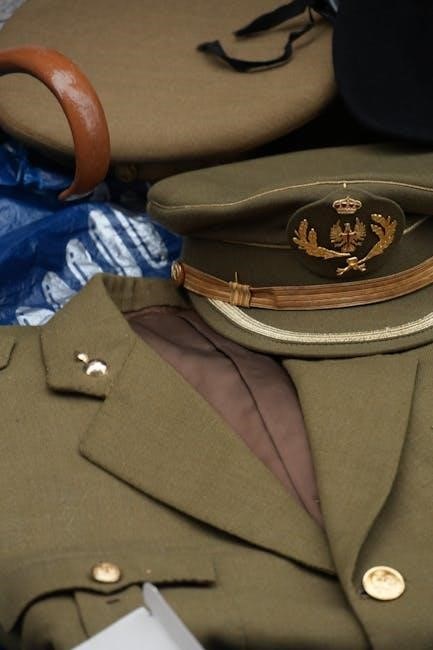
Additional Considerations
Effective layering is key for warmth‚ and consistently monitoring current and forecasted weather conditions is crucial for selecting the appropriate PT uniform.
Layering Techniques for Optimal Warmth
Mastering layering is essential for maintaining comfort during Army PT in cold weather. Begin with a moisture-wicking base layer to pull sweat away from the skin‚ preventing chills. Add an insulating mid-layer‚ such as a fleece or lightweight jacket‚ to trap body heat.
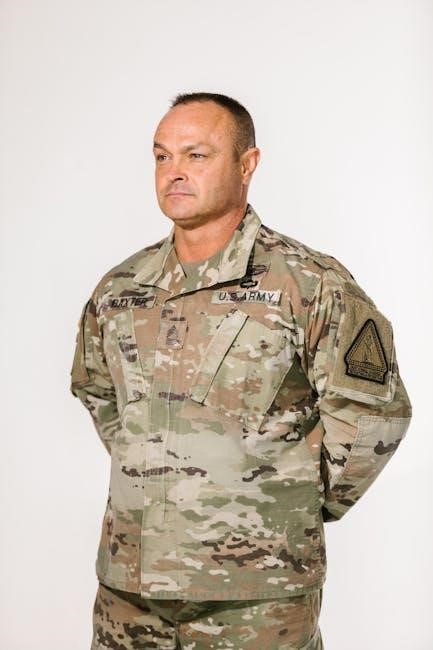
Finally‚ incorporate a water-resistant and windproof outer layer for protection against the elements. Avoid cotton‚ as it retains moisture and can lead to hypothermia. Adjust layers based on activity level and temperature fluctuations.
Proper layering allows soldiers to regulate body temperature effectively‚ enhancing performance and minimizing the risk of cold-weather injuries. Remember to prioritize breathability to prevent overheating and excessive sweating.
Monitoring Weather Conditions
Consistent monitoring of weather forecasts is crucial for selecting the appropriate Army PT uniform. Pay close attention to both air temperature and wind chill‚ as wind can significantly impact perceived coldness. Utilize reliable weather sources‚ including official military channels and local forecasts.
Be aware of potential precipitation‚ such as rain or snow‚ and adjust layering accordingly. Commanders should consider postponing or modifying PT if conditions are dangerously cold or hazardous.
Proactive weather monitoring ensures soldier safety and allows for informed decisions regarding uniform selection and PT activity planning‚ minimizing the risk of weather-related injuries.