CFL Guide: A Comprehensive Overview (Updated November 2, 2026)
This guide details CFL bulbs, comparing them to incandescent and LED options, outlining advantages like energy savings and lifespan,
and addressing disadvantages such as mercury content and warm-up times.
What is a CFL Bulb?
Compact Fluorescent Lamps (CFLs) represent a significant advancement in lighting technology, offering a more energy-efficient alternative to traditional incandescent bulbs. These bulbs, utilizing fluorescent lighting, produce light when an electric current passes through a vapor containing mercury. Unlike incandescent bulbs that generate light via heated filaments, CFLs create visible light through a process called fluorescence, resulting in substantially lower energy consumption.
CFLs come in various shapes and sizes, including spiral, globe, and tubular forms, designed to replace common incandescent bulb types. While containing a small amount of mercury – typically 3-5mg, with some eco-friendly versions containing as little as 1mg – this necessitates careful disposal and recycling procedures to prevent environmental contamination. Despite this concern, their energy-saving capabilities and extended lifespan make them a popular choice for residential and commercial lighting applications.
CFL vs. Incandescent: A Direct Comparison
Incandescent bulbs, the traditional standard, produce light by heating a filament until it glows, a process inherently inefficient. CFLs, conversely, generate light by exciting mercury vapor, requiring significantly less energy for the same light output. A key difference lies in energy consumption: CFLs use approximately 70-75% less energy than their incandescent counterparts.
Lifespan also dramatically differs. Incandescent bulbs typically last around 1,000 hours, while CFLs can operate for 6,000-15,000 hours. While incandescent bulbs offer instant brightness, CFLs often exhibit a noticeable warm-up time. Cost-wise, incandescent bulbs are cheaper upfront, but CFLs deliver long-term savings through reduced electricity bills. However, the mercury content in CFLs necessitates responsible disposal, a factor absent with incandescent bulbs.
CFL vs. LED: Understanding the Differences
LEDs (Light Emitting Diodes) represent the newest lighting technology, surpassing CFLs in several key areas. While both are more efficient than incandescent bulbs, LEDs consume even less power – an Energy Star LED or CFL costs roughly $1 annually to operate, compared to $3.50 for halogen and incandescent options. LEDs also boast a significantly longer lifespan, often exceeding 25,000 hours.
Unlike CFLs, LEDs contain no mercury, simplifying disposal. LEDs achieve instant brightness without warm-up time and are fully compatible with dimmer switches, a common issue with CFLs. Although CFLs were initially more affordable, LED prices have decreased, making them increasingly competitive. LEDs also offer superior light quality and directional light throw, providing more focused illumination.
Advantages of CFL Bulbs
CFLs offer substantial benefits, including reduced energy consumption – using 70% less than incandescent bulbs – extended lifespans, and resulting long-term cost savings for consumers.
Energy Efficiency: How Much Energy Do CFLs Save?
Compact fluorescent lamps (CFLs) demonstrate remarkable energy efficiency when contrasted with traditional incandescent bulbs. On average, a CFL consumes approximately 70% less energy to produce the same amount of light. This significant reduction translates directly into lower electricity bills for households and businesses. For instance, an Energy Star certified CFL bulb typically costs around $1 per year to operate, a stark contrast to the $3.50 for a halogen and a much higher cost for incandescent options.
This efficiency stems from the different mechanisms by which these bulbs generate light. Incandescent bulbs produce light by heating a filament, a process inherently wasteful. CFLs, however, utilize a gas discharge to create ultraviolet light, which then excites a phosphor coating to emit visible light – a far more efficient process. The cumulative effect of widespread CFL adoption can contribute significantly to reducing overall energy demand and lessening environmental impact.
Lifespan: How Long Do CFL Bulbs Last?
One of the key benefits of CFL bulbs is their extended lifespan compared to traditional incandescent bulbs. While an incandescent bulb might last around 750 to 1,000 hours, a CFL bulb can typically operate for 6,000 to 15,000 hours. This substantial difference means fewer bulb replacements, saving both time and money. Considering the average household usage, a single CFL bulb can potentially last for several years before needing replacement.
However, lifespan can be affected by factors like switching frequency. Frequent on-off cycles can shorten a CFL’s life. Despite this, even with moderate use, CFLs consistently outperform incandescent alternatives in longevity. This durability contributes to reduced landfill waste and a lower overall environmental footprint, making them a sustainable lighting choice for many applications.
Cost Savings: Long-Term Financial Benefits
While the initial purchase price of a CFL bulb is higher than that of an incandescent bulb, the long-term cost savings are significant. CFLs consume approximately 70% less energy, translating directly into lower electricity bills. An Energy Star CFL can cost around $1 per year to operate, a substantial reduction compared to the $3.50 for a halogen or incandescent bulb.
Furthermore, the extended lifespan of CFLs minimizes replacement costs. Fewer trips to the store and less frequent bulb changes add up over time. Considering these factors, the initial investment in CFLs quickly pays for itself through reduced energy consumption and replacement expenses, offering substantial financial benefits to consumers over the bulb’s operational life.
Disadvantages of CFL Bulbs
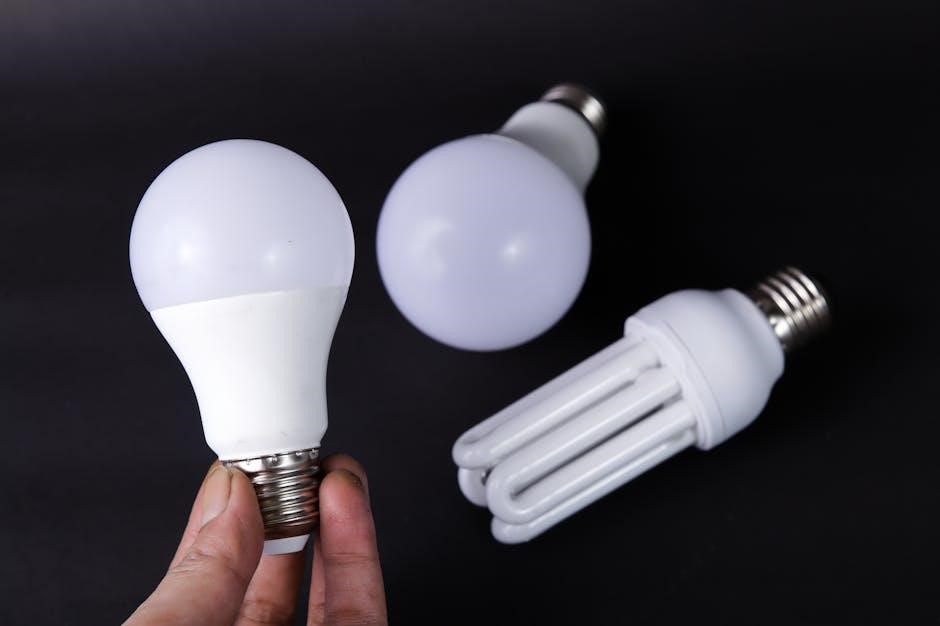
Despite their benefits, CFLs have drawbacks including mercury content requiring careful disposal, a noticeable warm-up time, potential dimmer switch issues, and unique light patterns;
Mercury Content: Safety Concerns and Disposal
A significant concern with CFL bulbs is their mercury content, typically ranging from 3-5mg per bulb, though some eco-friendly versions contain as little as 1mg. While a small amount, mercury is a neurotoxin, posing environmental and health risks if not handled correctly. Broken bulbs require careful cleanup – ventilate the room, avoid vacuuming, and use stiff paper or tape to collect fragments.
Proper disposal is crucial; CFLs should never be thrown in regular trash. Instead, utilize designated recycling programs at hardware stores, local recycling centers, or through municipal collection events. These programs ensure the mercury is safely extracted and doesn’t contaminate the environment. Ignoring proper disposal can lead to soil and water contamination, impacting ecosystems and potentially human health.
Warm-Up Time: The Initial Delay in Full Brightness
A common drawback of CFL bulbs is the noticeable warm-up time before they reach their full brightness. Unlike the instantaneous illumination of incandescent bulbs, CFLs require a period to allow the gases within to reach optimal operating temperature. This delay can range from seconds to a few minutes, depending on the bulb’s quality and the ambient temperature.
This characteristic can be inconvenient, particularly in areas where immediate light is needed, such as closets or frequently used switches. Newer CFL models have reduced this warm-up time, but it remains a factor to consider. Frequent on-off switching can also shorten a CFL’s lifespan, exacerbating the issue, as the bulb is constantly cycling through the warm-up phase.
Dimmer Switch Compatibility: Potential Issues
Compatibility with dimmer switches presents a significant challenge when using CFL bulbs. Traditional dimmer switches designed for incandescent bulbs often don’t function correctly with CFLs, leading to issues like flickering, buzzing, or reduced dimming range. This is because CFLs operate on a different principle than incandescent bulbs, requiring a specific type of dimmer switch designed for electronic ballasts.
Using an incompatible dimmer can damage both the bulb and the dimmer itself, shortening their lifespan and potentially creating a fire hazard. Specifically designed CFL-compatible dimmers are available, but they are often more expensive than standard dimmers. Careful consideration and proper dimmer selection are crucial for a smooth and safe dimming experience with CFLs.
Light Throw Pattern: Differences Compared to Incandescent
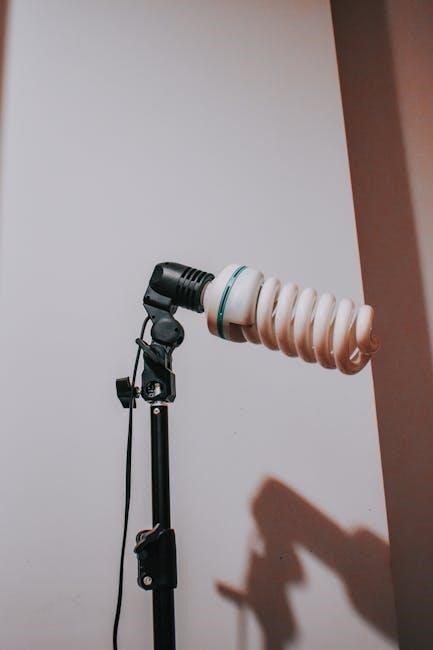
CFL bulbs exhibit a distinct light throw pattern compared to traditional incandescent bulbs. Incandescent bulbs radiate light omnidirectionally, meaning light is emitted in all directions. CFLs, however, tend to direct light more downwards and outwards from the bulb’s looped or twisted filament structure. This directional lighting can result in a less even distribution of light throughout a room.
The focused light output of CFLs can create brighter spots directly below the bulb, while leaving other areas somewhat dimmer. This difference is particularly noticeable with spiral CFLs. Choosing the correct bulb shape and wattage, and strategically positioning fixtures, can help mitigate these effects and achieve a more balanced illumination, though it often requires some adjustment compared to incandescent lighting.
Size and Shape: Physical Limitations
CFL bulbs often present physical limitations in size and shape compared to their incandescent counterparts. The internal components required for fluorescent operation necessitate a different form factor. Early CFL designs, particularly spiral bulbs, could be quite bulky and didn’t always fit comfortably into fixtures designed for standard A19 incandescent bulbs.
While various CFL shapes exist – including globes and tubes – they may not perfectly replicate the aesthetic of traditional bulbs. This can be a concern in exposed-bulb fixtures where the bulb’s appearance is visible. Furthermore, the larger size of some CFLs can restrict their use in enclosed fixtures where heat dissipation is a factor, potentially shortening the bulb’s lifespan.

CFL Bulb Types and Shapes
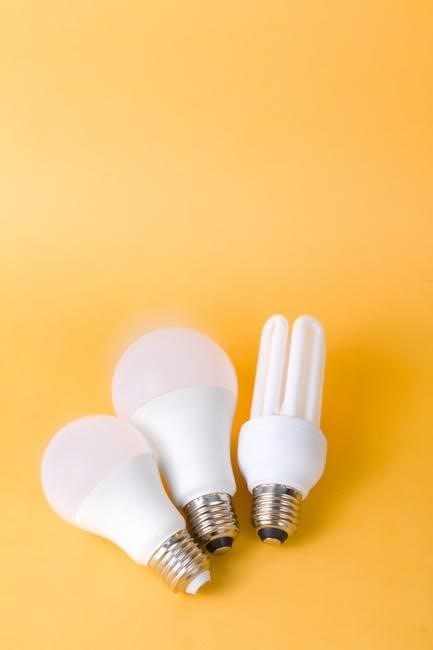
CFLs come in diverse forms, including spirals, globes, and tubes, offering versatility for various fixtures and aesthetic preferences within residential and commercial spaces.
Spiral CFLs: Common and Affordable
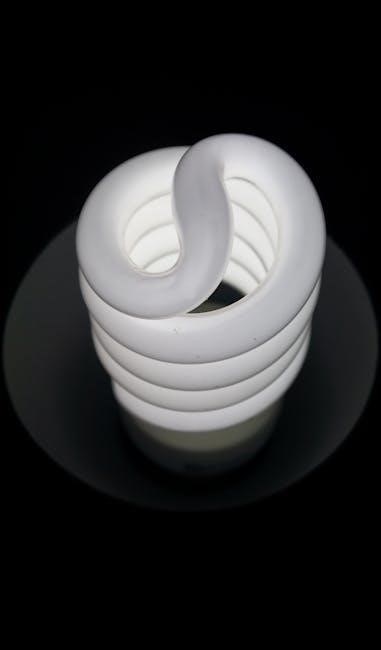
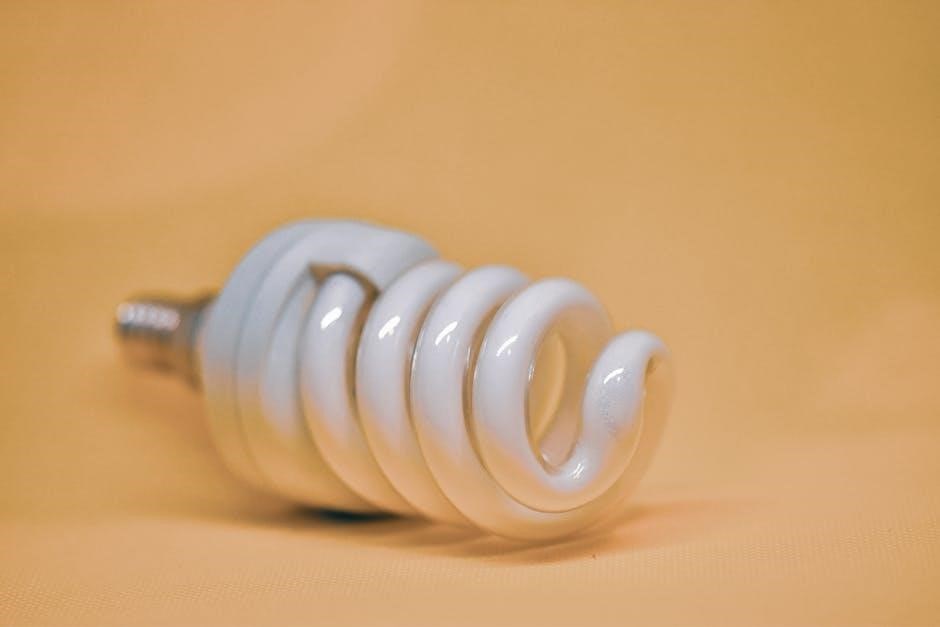
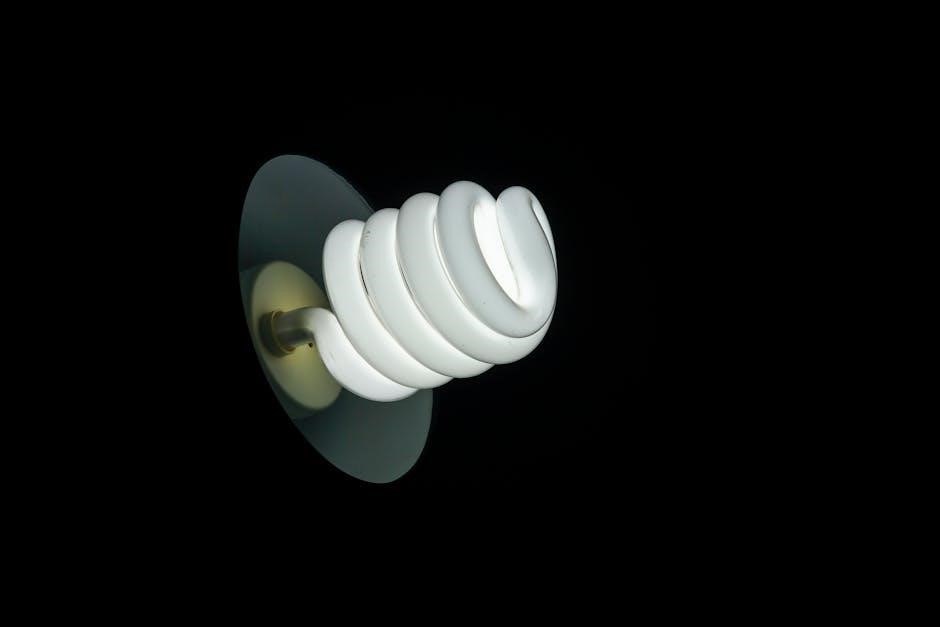
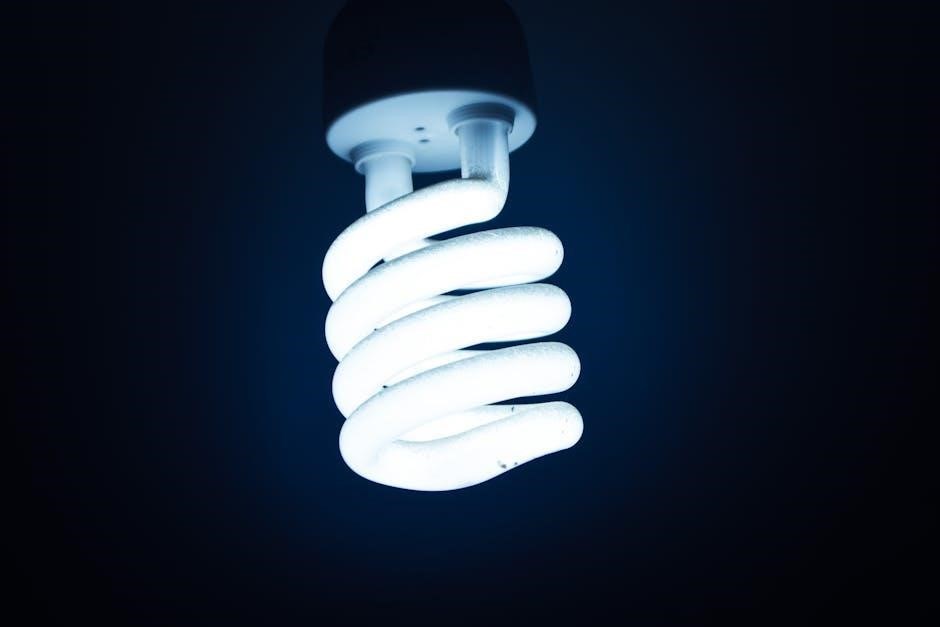
Spiral CFLs represent the most recognizable and widely available type of compact fluorescent lighting, largely due to their cost-effectiveness and efficient design. These bulbs feature a coiled filament within a glass tube, maximizing surface area for light production while minimizing overall size. Their affordability makes them an accessible entry point for consumers seeking to transition from traditional incandescent bulbs to more energy-efficient alternatives.
They are particularly popular for general-purpose lighting applications, such as lamps and overhead fixtures in living rooms, bedrooms, and hallways. While not always the most aesthetically pleasing option, their practical benefits and lower price point often outweigh cosmetic concerns for many users. Spiral CFLs are readily available in a range of wattages and color temperatures, allowing for customization to suit different lighting needs and preferences.
Globe CFLs: Decorative and Versatile
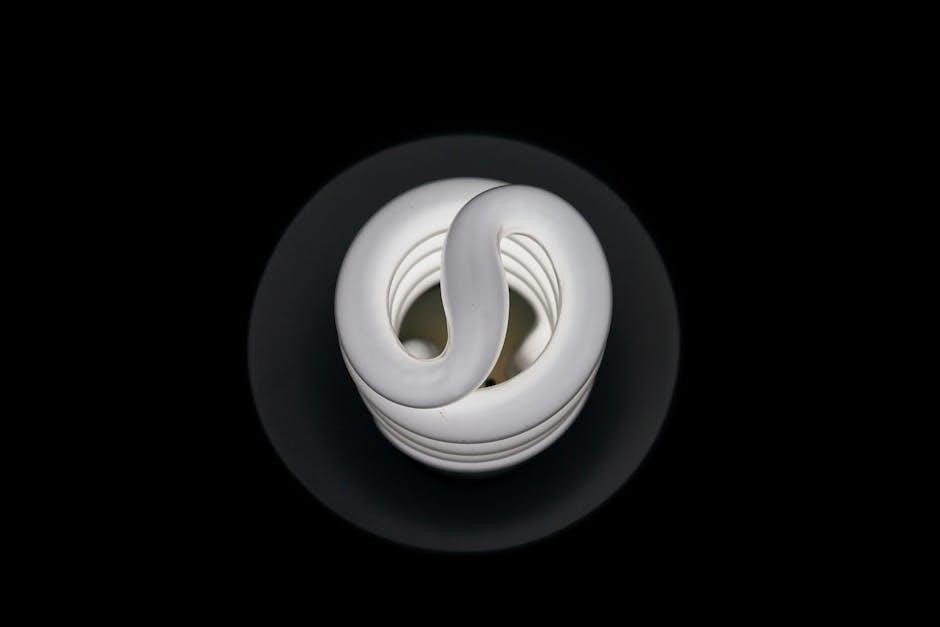
Globe CFLs offer a visually appealing alternative to the more common spiral designs, mimicking the traditional shape of incandescent bulbs. This aesthetic similarity makes them ideal for fixtures where the bulb is exposed, such as chandeliers, sconces, and decorative lamps, providing a familiar look with enhanced energy efficiency. Their versatility extends beyond appearance; they are available in various wattages and color temperatures to suit diverse lighting requirements.
While generally slightly more expensive than spiral CFLs, the added aesthetic value often justifies the cost for consumers prioritizing style. Globe CFLs are well-suited for creating a warm and inviting ambiance in living spaces, dining rooms, and bedrooms. They provide a softer, more diffused light compared to some other CFL types, making them a good choice for areas where harsh lighting is undesirable.
Tubular CFLs: Replacements for Traditional Fluorescent Tubes
Tubular CFLs are specifically designed as direct replacements for standard linear fluorescent tubes commonly found in commercial and industrial settings, as well as some kitchens and workshops. They utilize the same G13 bi-pin base, allowing for easy installation without requiring modifications to existing fixtures – simply remove the old tube and insert the tubular CFL. This straightforward swap offers immediate energy savings and a longer lifespan compared to traditional fluorescent lighting.
These bulbs are particularly effective in areas requiring consistent, widespread illumination, such as offices, garages, and utility rooms. While not as aesthetically versatile as spiral or globe CFLs, their primary function is practical efficiency. They are available in various color temperatures, including cool white for task lighting and warm white for a more comfortable ambiance. Careful disposal is crucial due to their mercury content.
CFL Bulb Usage and Applications

CFLs suit residential, commercial, and limited outdoor spaces; offices, kitchens, and retail benefit from their efficiency, though compatibility and specific needs vary greatly.
Residential Lighting: Best Rooms for CFLs
CFLs excel in areas with frequent use, maximizing energy savings and lifespan benefits within the home. Living rooms and bedrooms are ideal, particularly for lamps and overhead fixtures where lights are often left on for extended periods. Kitchens also benefit, though consider the warm-up time for task lighting.
Bathrooms are suitable, but ensure compatibility with enclosed fixtures to prevent overheating. Hallways and closets, where lights are used intermittently, still see cost reductions. Avoid CFLs in areas requiring frequent on-off switching, as this shortens their lifespan.
Dimmer switch compatibility is crucial; use only CFLs specifically designed for dimming. Prioritize CFLs in rooms where you spend significant time, capitalizing on their energy efficiency and reducing your carbon footprint. Careful selection ensures optimal performance and long-term savings.
Commercial Lighting: Office and Retail Spaces
CFLs present a compelling case for businesses, offering substantial energy cost reductions in office and retail environments. Large offices benefit from replacing traditional fluorescent tubes with tubular CFLs, lowering overhead expenses significantly. Retail spaces can utilize globe or spiral CFLs in display lighting, enhancing product visibility while conserving energy.
However, careful consideration of light quality is essential; ensure adequate brightness and color rendering for optimal customer experience. Areas with frequent switching, like stockrooms, may benefit more from LED alternatives due to CFL lifespan concerns.
Implementing motion sensors alongside CFLs further maximizes savings in low-traffic areas. Proper disposal protocols are vital due to mercury content, requiring designated recycling programs. A phased transition can minimize disruption while realizing long-term financial and environmental benefits.
Outdoor Lighting: Limited Use Cases
CFLs have restricted applicability in outdoor settings due to several factors impacting performance and longevity. Unlike incandescent or LED options, CFLs are sensitive to temperature extremes; cold weather significantly reduces light output and lifespan. Their warm-up time is also problematic for security lighting requiring instant illumination.
While some enclosed outdoor fixtures can accommodate CFLs, ensuring adequate ventilation is crucial to prevent overheating and premature failure. Moisture exposure is another concern, potentially damaging the bulb and increasing safety risks.
For most outdoor applications – pathway lighting, security lights, or landscape illumination – LEDs are the superior choice, offering greater durability, instant-on functionality, and resistance to weather conditions. CFLs are generally not recommended for prolonged outdoor use.
CFL Disposal and Recycling
Proper CFL disposal is vital due to mercury content; avoid environmental contamination by utilizing designated recycling programs and drop-off locations for safe handling.
Proper Disposal Methods: Avoiding Environmental Contamination
CFL bulbs contain a small amount of mercury, necessitating careful disposal to prevent environmental harm. Simply discarding them in household trash poses risks, as broken bulbs in landfills can release mercury vapor, contaminating soil and water sources. Never incinerate CFLs, as this also releases harmful mercury into the atmosphere.
Instead, prioritize recycling. Many retailers, like hardware stores, offer free CFL recycling programs. Local municipalities often host household hazardous waste collection events where CFLs can be safely dropped off.
If a bulb breaks, carefully contain the debris – avoid vacuuming, which can spread mercury vapor. Use stiff paper or cardboard to collect fragments and seal them in a plastic bag before disposing of them properly. Ensure adequate ventilation during cleanup.
Recycling Programs: Locating Drop-Off Centers
Fortunately, numerous recycling programs facilitate the safe disposal of CFL bulbs. Many major retailers, including Home Depot and Lowe’s, participate in nationwide recycling initiatives, accepting used CFLs at no cost. Earth911’s website (earth911.com) provides a comprehensive database to locate nearby recycling centers based on your zip code.
Additionally, check with your local municipality or waste management authority. Many cities and counties host regular household hazardous waste (HHW) collection events, offering a convenient way to recycle CFLs alongside other potentially harmful materials. Some communities also maintain permanent HHW drop-off facilities.
Before visiting a drop-off location, confirm their specific acceptance policies and operating hours to ensure a smooth recycling process.
CFL and the Canadian Football League (CFL)
The CFL showcases athletic prowess, with events like the Grey Cup and player contributions to communities, alongside ongoing free agency deals and team standings.
CFL Grey Cup: Recent Events and Cinematic Recaps
The Grey Cup represents the pinnacle of Canadian football, a championship game steeped in tradition and national pride. Recent iterations, like the 112th Grey Cup featuring Montreal versus Saskatchewan, have been captured with cinematic recaps, offering fans immersive experiences beyond the live action.
These recaps aren’t merely game highlights; they’re carefully crafted narratives, emphasizing pivotal moments, player stories, and the electric atmosphere surrounding the event. They provide a compelling way for fans who couldn’t attend in person to relive the excitement. The cinematic approach elevates the viewing experience, focusing on emotional resonance and dramatic tension. Further enhancing fan engagement, these recaps often include behind-the-scenes footage and player interviews, offering unique insights into the Grey Cup spectacle.
CFL Player Contributions: Community Involvement and Awards
Beyond their on-field prowess, CFL players consistently demonstrate significant community involvement, enriching the cities and towns they represent. Numerous players dedicate their time to charitable organizations, youth outreach programs, and various community initiatives, serving as positive role models.
Recognition for these contributions comes in the form of prestigious awards, such as the Tom Pate Memorial Award. This annual award honors a CFL Players Association member for outstanding community service. In 2023, Lauthers received this honor, highlighting his dedication to giving back. These accolades underscore the league’s commitment to celebrating players who excel not only in football but also as compassionate and engaged citizens, fostering a strong connection between the CFL and its fans.
CFL Free Agency: Recent Deals and Team Updates (as of November 3, 2024)
The CFL’s Free Agency Communication Window has seen a flurry of activity, with teams strategically bolstering their rosters for the upcoming season. As of November 3, 2024, numerous deals have been reported across the league, reshaping team dynamics and competitive landscapes.
CFL.ca’s Jamie Nye provides comprehensive coverage, detailing each team’s acquisitions and departures. Key signings and trades are impacting positional strengths and overall team potential. Teams are actively addressing needs at quarterback, receiver, and along the defensive line. These moves signal each franchise’s priorities as they prepare for the 2025 season, aiming to contend for the Grey Cup. Stay tuned for ongoing updates as free agency continues to unfold, shaping the future of the CFL.
CFL Regular Season Standings (2024 ─ Western Division)
The 2024 CFL Western Division standings reflect a competitive season, with teams battling for playoff positioning. As of the latest update, the Winnipeg Blue Bombers lead the division with a record of 11 wins and 7 losses, accumulating 22 points. They demonstrate strength both at home (6-3-0) and away (5-4-0), dominating their divisional matchups (7-3-0).
The Saskatchewan Roughriders follow with a 9-8-1 record and 19 points, showcasing a 5-4-0 home record and a 4-4-1 away record, alongside a 5-5 divisional record. These top two teams are followed by the BC Lions and Calgary Stampeders, vying for the remaining playoff spots. The standings are dynamic, with ongoing games potentially shifting team rankings and playoff scenarios.