Ditra-Heat systems offer comfortable, efficient radiant floor heating; This guide introduces the installation process, focusing on the thermostat, a crucial component for precise temperature control and energy savings.
Understanding Ditra-Heat Systems
Ditra-Heat combines Schluter’s renowned Ditra membrane with integrated heating cables, creating a robust and efficient radiant floor warming solution. The system’s core lies in its ability to evenly distribute heat, enhancing comfort and reducing energy consumption. Ditra acts as an uncoupling layer, preventing tile fractures, while also providing waterproofing and vapor management. Precise temperature regulation is achieved through a dedicated thermostat, ensuring optimal performance and user control.
Safety Precautions Before Installation
Prior to commencing Ditra-Heat installation, disconnect power to the work area at the breaker. Verify the absence of voltage with a reliable tester. Wear appropriate personal protective equipment, including safety glasses and gloves. Ensure the subfloor is clean, dry, and structurally sound. Follow all local electrical codes and manufacturer’s instructions meticulously to prevent electrical shock or system damage.
Tools and Materials Required
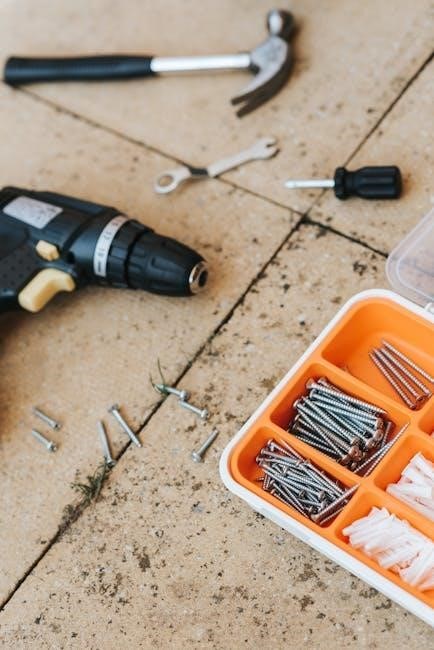
Successful Ditra-Heat installation demands specific tools and materials, including a multimeter, wire strippers, a tiling trowel, and, of course, the Ditra-Heat system components.
Essential Tools for Installation
For a smooth Ditra-Heat installation, gather these tools: a multimeter for electrical checks, wire strippers and connectors for secure wiring, a notched trowel for applying thin-set mortar, a utility knife for membrane trimming, and a tape measure for accurate layouts.
Additionally, a level ensures a flat surface, while safety glasses and gloves are crucial for personal protection throughout the process. Don’t forget a cable tie gun!
List of Necessary Materials
Essential materials include the Ditra-Heat heating cables, Ditra membrane for uncoupling and waterproofing, the Ditra-Heat thermostat for control, and appropriate electrical wiring. You’ll also need thin-set mortar compatible with radiant heat, and floor covering materials like tile or wood.
Don’t forget self-leveling underlayment if the subfloor isn’t perfectly even, and cable ties for securing the heating cables.

Pre-Installation Checklist
Before starting, verify subfloor flatness and structural integrity. Confirm a dedicated electrical circuit is available, meeting Ditra-Heat’s power requirements for optimal performance.
Subfloor Preparation
Ensure a clean, level, and structurally sound subfloor is critical for successful Ditra-Heat installation. Remove all debris, leveling compounds, and protruding fasteners. The subfloor must be flat; deviations exceeding 3/16” over 10 feet require leveling. Verify dryness – moisture content should align with flooring manufacturer’s specifications. A properly prepared subfloor maximizes heat transfer and prevents future issues.
Electrical Circuit Verification
Before wiring, confirm the dedicated electrical circuit meets Ditra-Heat’s requirements. Verify the correct voltage (typically 120V or 240V) and amperage rating, as specified on the thermostat and heating cable documentation. A dedicated circuit prevents overloading and ensures safe operation. Use a multimeter to confirm proper grounding and absence of voltage before commencing any electrical connections.
Thermostat Mounting and Wiring
Securely mount the thermostat base to the wall, ensuring it’s level. Carefully follow the wiring diagram, connecting floor sensor and power supply wires to designated terminals.
Mounting the Thermostat Base
Begin by selecting a suitable location for the thermostat, away from direct sunlight, drafts, and moisture. Use a level to ensure the base is perfectly aligned on the wall. Mark the screw holes, drill pilot holes, and insert appropriate wall anchors if needed.
Securely fasten the base plate using the provided screws, avoiding over-tightening. Double-check stability before proceeding to the wiring stage, guaranteeing a firm and reliable mounting.
Wiring Diagram Explanation
The wiring diagram details connections for power supply, floor sensor, and heating cables. Typically, black connects to line, white to neutral, and green/bare copper to ground. The floor sensor wires connect to designated terminals on the thermostat base.
Carefully follow the diagram, ensuring correct wire placement. Incorrect wiring can damage the system or create a safety hazard; double-check all connections before powering on.
Connecting Floor Sensor
The floor sensor is vital for accurate temperature monitoring and preventing overheating. Insert the sensor into its designated conduit within the Ditra-Heat membrane, ensuring it’s centrally located within the heated area.
Connect the sensor wires to the appropriately labeled terminals on the thermostat base, typically marked ‘S’ or with a temperature symbol. Secure connections are crucial for reliable operation.
Ditra-Heat Cable Installation
Ditra-Heat cables are embedded within the Ditra membrane, providing even heat distribution. Careful planning and secure attachment are essential for optimal performance and longevity.
Cable Layout Planning
Effective cable layout is paramount for uniform heating. Avoid overlapping cables and maintain consistent spacing, adhering to the room’s dimensions and heat loss calculations. Plan around permanent fixtures, ensuring cables aren’t damaged. Utilize a detailed floor plan to map the cable path, maximizing coverage while respecting the Ditra membrane’s grid structure. Proper planning minimizes cold spots and optimizes energy efficiency.
Securing Cables to Ditra Membrane
Securely fastening the heating cables to the Ditra membrane is critical. Utilize the specifically designed cable ties provided with the system, ensuring cables are firmly held within the membrane’s grid. Avoid stretching or damaging the cables during this process. Proper securing prevents cable movement, maintaining consistent heat distribution and ensuring long-term system reliability and performance.
Connecting to Power Supply
Proper electrical connection is vital. Verify voltage requirements and dedicated circuit compliance before connecting the thermostat to the designated power source, following all safety guidelines.
Identifying Power Supply Requirements
Before connecting the Ditra-Heat thermostat, carefully examine the unit’s label and installation manual to determine the specific voltage and amperage needed. Typically, a dedicated 120V or 240V circuit is required, depending on your region and system size.
Ensure the circuit is appropriately sized and equipped with a GFCI breaker for safety. Incorrect voltage or an overloaded circuit can damage the thermostat and void the warranty.
Connecting the Thermostat to Power
With the power OFF at the breaker, carefully connect the thermostat’s wiring to the designated terminals within the electrical box. Typically, this involves connecting line (hot), neutral, and ground wires.
Double-check all connections for tightness and proper insulation. Once wiring is verified, restore power at the breaker and confirm the thermostat powers on correctly, initiating the system setup process.
Thermostat Programming and Testing
After installation, program the thermostat with desired heating schedules. Thoroughly test the system, verifying temperature accuracy and responsiveness for optimal comfort and efficiency.
Initial Thermostat Setup
Begin by powering on the Ditra-Heat thermostat and navigating the menu to set the date and time accurately. Configure the system’s basic parameters, including floor sensor calibration and temperature display units (Celsius or Fahrenheit). Establish initial heating profiles – consider default settings for comfort and energy conservation.
Familiarize yourself with the thermostat’s interface and available programming options before proceeding to system testing. Proper initial setup ensures optimal performance.
Floor Heating System Testing
After initial setup, activate the Ditra-Heat system and verify the floor heats evenly across the entire area. Monitor the floor temperature using the thermostat and, if possible, an infrared thermometer. Confirm the thermostat accurately reflects the floor’s temperature and responds to adjustments.
Listen for any unusual noises from the heating cables. Document all test results for future reference and troubleshooting.
Troubleshooting Common Issues
Addressing problems quickly ensures optimal performance. Common issues include thermostat failures or uneven heating; careful diagnosis and adherence to the manual are key.
Thermostat Not Powering On
If the thermostat fails to power on, first verify the circuit breaker supplying power is active. Check all wiring connections at both the thermostat and power supply, ensuring secure placement. Confirm the thermostat is receiving the correct voltage as specified in the manual. A faulty transformer or wiring issue could be the cause; consult a qualified electrician if needed.
Uneven Heating Problems
Uneven floor heating often indicates issues with cable placement or the floor sensor. Ensure cables aren’t overlapping or too close to walls. Verify the floor sensor is centrally located and properly embedded in thin-set mortar. Check for obstructions beneath the floor that might impede heat distribution. Recalibrating the thermostat may also resolve minor inconsistencies.
Ditra Membrane Specifics
Ditra membrane provides waterproofing, uncoupling, and vapor management. Its unique geometry simplifies installation, ensuring a secure bond with thin-set mortar for lasting performance.
Ditra Membrane Properties
Schluter Ditra is a polypropylene waterproofing membrane, essentially impermeable to liquid water but allows vapor to diffuse. This prevents moisture damage and maintains a dry subfloor. Its textured surface creates an uncoupling layer, mitigating stress from building movement, preventing cracks in tile. Ditra also offers impact resistance and supports direct bonding of tiles with thin-set mortar, creating a robust and reliable flooring system.
Ditra Membrane Installation Best Practices
Proper Ditra installation requires a clean, stable subfloor. Overlap seams by at least 1 inch and use Ditra-Band for sealed waterproofing. Fully embed the membrane in thin-set mortar, ensuring 100% coverage. Avoid air pockets! When installing heating cables, secure them firmly within Ditra’s grid before applying self-leveling compound. Precise installation guarantees long-term performance and prevents issues.
Post-Installation Maintenance
Regularly clean the thermostat with a dry cloth. Periodically check the system for consistent heating and address any unusual noises or temperature fluctuations promptly.
Cleaning and Care of Thermostat
To ensure optimal performance, clean your Ditra-Heat thermostat regularly. Use a soft, dry cloth to gently wipe the surface, removing dust and debris. Avoid using abrasive cleaners or liquids, as these can damage the display or internal components.
Inspect the thermostat for any signs of physical damage. A clean thermostat contributes to accurate temperature readings and extends the lifespan of your heating system, providing continued comfort and efficiency.
Periodic System Checks
Regularly inspect your Ditra-Heat system for consistent performance. Annually, verify thermostat calibration and sensor connections. Check for any unusual noises from the heating cables or the thermostat itself. Ensure the floor is heating evenly across all zones.
These checks help identify potential issues early, preventing costly repairs and maintaining optimal energy efficiency. Document any findings and address concerns promptly to prolong system life.
Warranty Information
Ditra-Heat systems are backed by a comprehensive warranty, covering components and workmanship. Registration is required to activate full coverage; details are available online.
Ditra-Heat System Warranty Details
Schluter Systems provides a limited lifetime warranty on the Ditra-Heat cable and matting against manufacturing defects. The thermostat carries a separate warranty, typically for a period of five years from the installation date. Proper installation, following the manual’s guidelines, is crucial for warranty validity. Damage caused by misuse, improper electrical connections, or failure to register the warranty will void coverage. Retain proof of purchase and installation records.
Registering Your Warranty
Prompt warranty registration is essential to validate your Ditra-Heat system coverage. Visit the Schluter Systems website and locate the warranty registration form. You’ll need your proof of purchase, installation date, and system details. Registering online ensures a streamlined claims process should any issues arise. Failure to register may delay or invalidate warranty service, so complete this step immediately after installation.
Advanced Features and Settings
Ditra-Heat thermostats offer programmable schedules and remote control options for customized comfort and energy efficiency. Explore these features within the thermostat’s interface for optimal performance.
Programmable Schedules
Ditra-Heat thermostats excel with programmable schedules, allowing customized heating based on daily routines. Users can set different temperatures for various times of day, optimizing comfort and minimizing energy consumption. Create unique schedules for weekdays, weekends, or even individual days. This feature provides precise control, ensuring warmth when needed and savings when absent, enhancing the system’s overall efficiency and user experience.
Remote Control Options
Ditra-Heat thermostats often support remote control via Wi-Fi connectivity. This allows users to monitor and adjust floor heating from smartphones or tablets, offering convenience and flexibility; Control temperatures remotely, ensuring a warm welcome upon arrival or adjusting settings while away. Integration with smart home systems is also possible, enhancing automation and overall home comfort.
Compliance and Standards
Ditra-Heat installations must adhere to local electrical codes and industry standards for floor heating systems, ensuring safety and proper functionality.
Electrical Code Compliance
Ditra-Heat installations must strictly comply with all applicable local and national electrical codes, including NEC (National Electrical Code) guidelines. This encompasses proper grounding, circuit protection with GFCI breakers, and adherence to wiring regulations. Qualified electricians should perform all electrical connections to guarantee safety and prevent hazards. Failure to comply voids warranties and poses significant risks.
Industry Standards for Floor Heating
Ditra-Heat systems adhere to recognized industry standards like those set by the Tile Council of North America (TCNA) and relevant ISO guidelines for radiant heating. These standards cover aspects like thermal output, safety protocols, and installation best practices. Following these ensures optimal performance, longevity, and compatibility with other building systems, promoting a reliable and efficient heating solution.

Resources and Support
Schluter Systems provides comprehensive support, including detailed manuals, installation guides, and a dedicated customer service team for Ditra-Heat assistance.
Schluter Systems Website
Schluter’s official website (schluter.com) is a vital resource, offering downloadable Ditra-Heat installation manuals, technical datasheets, and detailed product information. Explore extensive installation videos demonstrating proper techniques, troubleshooting guides, and warranty details. Access the “Where to Buy” section to locate authorized dealers near you for materials and expert advice.
Customer Support Contact Information
Schluter Systems provides dedicated customer support for Ditra-Heat installations. Contact their technical hotline at 1-800-472-4583 for assistance with manuals, wiring diagrams, or troubleshooting. Email support is available through their website. For localized support, find a regional representative via schluter.com/contact. Prompt assistance ensures a successful installation.