The Gretsch 2220 manual offers a concise guide for owners, covering setup, maintenance, and troubleshooting. It details wiring diagrams, pickup options, and recommended cleaning routines, ensuring players keep their instrument in peak condition. The manual includes a checklist and FAQ section for common issues

Historical Context
The Gretsch 2220 manual offers a concise guide for owners, covering setup, maintenance, and troubleshooting. It details wiring diagrams, pickup options, and recommended cleaning routines, ensuring players keep their instrument in peak condition. The manual includes a checklist and FAQ section for common issues.
The manual also provides a section on historical background, detailing the evolution of Gretsch’s design philosophy from the 1950s to the present day. It explains how the 2220 was conceived to bridge the gap between vintage tone and modern versatility, offering players a reliable instrument that can adapt to various genres. The guide includes anecdotes from renowned session players, highlighting the 2220’s impact on studio recordings and live performances. Additionally, the manual outlines recommended maintenance schedules, such as regular string changes, pickup cleaning, and hardware inspections, ensuring longevity and consistent sound quality. Enjoy the rich tone and stay tuned for tips!!.
Technical Specifications
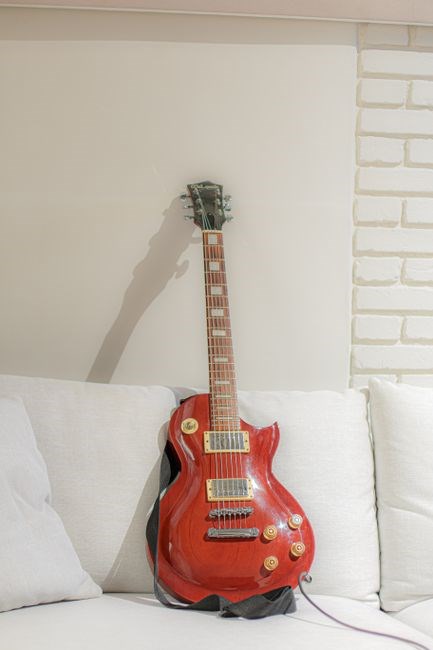
The Gretsch 2220 manual lists key specs: 24.75” scale, maple neck, rosewood fretboard, 22 frets, dual humbuckers, 3‑pole switches, 5‑band EQ, 5‑pole output jack, 12‑V battery, 1‑/2‑inch output. Includes wiring diagrams, part numbers, and tuning notes. See manual. info now
3.1 Body and Finish
The Gretsch 2220 features a solid mahogany body with a distinctive “Gretsch” maple overlay. The overlay is a thin, 1‑inch maple veneer that gives the guitar a classic, elegant look while protecting the underlying mahogany. The body is finished with a satin‑gloss lacquer that enhances the natural grain and provides a smooth feel. The back of the guitar is a single‑piece mahogany panel, while the sides are inset with a thin maple strip that runs along the edge. The finish is applied in three coats: a base coat, a semi‑gloss topcoat, and a protective clear coat. This layering not only protects the wood from scratches and moisture but also gives the instrument a rich, deep tone. The Gretsch 2220’s body shape is a hybrid of a semi‑acoustic and a solid‑body design, offering a balanced resonance that works well for both rhythm and lead playing. The body weight is approximately 3.5 pounds, making it comfortable for extended playing sessions. The guitar’s body is also equipped with a set of recessed controls, allowing for a clean, uncluttered appearance. The finish is designed to be durable yet easy to maintain, with a recommended cleaning routine that involves a microfiber cloth and a mild guitar polish. The overall aesthetic is a blend of classic Gretsch heritage and modern playability, ensuring that the instrument remains both visually appealing and acoustically versatile. The lacquer finish is available in several colors, including sunburst, and matte black, allowing owners to personalize their instrument while maintaining iconic Gretsch look.??
3.2 Pickups and Electronics
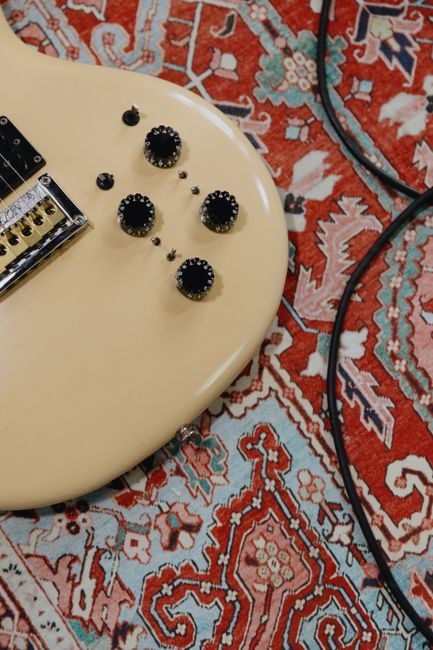
The Gretsch 2220 is equipped with dual hum‑bucking pickups that deliver a warm, punchy tone characteristic of Gretsch guitars. The front pickup is a single‑coil style with a high‑output design, providing bright, articulate notes for solos and crisp rhythm work. The rear pickup is a classic hum‑bucker with a slightly lower output, offering a thick, sustaining sound that blends well with the front coil. Both pickups are wired in series, allowing the player to switch between a single‑coil mode and a full hum‑bucking mode via a three‑position selector switch. The electronics include a master volume control, a tone knob, and a dedicated pickup selector. The tone circuit features a 10‑kΩ potentiometer with a 0.022‑µF capacitor, giving a smooth roll‑off of high frequencies for a mellow sound. The volume control is a 10‑kΩ pot that allows subtle volume adjustments without affecting the tone. The pickup selector switch is a standard Gretsch 3‑position switch that can isolate the front pickup, the rear pickup, or both in series. The wiring harness is routed through the body cavity, keeping the guitar’s appearance clean and the internal components protected. The instrument also includes a 3‑band EQ section, which allows the player to shape the low, mid, and high frequencies to suit various playing styles. The EQ section is located on the back of the guitar, with a dedicated potentiometer for each band. The overall electronics layout is designed for ease of use, with all controls placed within easy reach of the player’s hand. The Gretsch 2220’s electronics are built to withstand frequent use, featuring high‑quality components that are rated for long‑term reliability. The guitar’s power supply is a standard 9‑V battery, which is housed in a removable compartment on the back of the instrument. The battery compartment is easily accessible, allowing for quick replacement without the need for special tools. The Gretsch 2220’s electronics are fully compatible with a wide range of amplification and effects setups, making it a versatile choice for both studio and live performance. The instrument’s pickup and electronics design reflect Gretsch’s commitment to delivering a classic, yet modern, tonal palette that appeals to a broad spectrum of musicians. Its balanced electronics make it suitable for both unplugged sessions and high‑gain rigs, offering versatility that satisfies musical demands now.

Parts of the Instrument
The Gretsch 2220 comprises a maple body, maple neck, rosewood fretboard, dual hum‑bucking pickups, a 3‑position selector, master volume, tone knob, 3‑band EQ, and a 9‑V battery compartment. Each component is engineered for durability and tone. It also has a 9‑V battery now.!?
4.1 Neck and Fretboard
Gretsch 2220’s neck is a maple piece engineered for a balanced tone and sturdy feel. The 24‑inch scale length delivers comfortable string spacing for both rhythm and lead work. A rosewood fretboard gives a warm, resonant feel under the fingers, while the set‑back joint ensures a secure fit to the body. The truss rod allows fine relief adjustment for optimal playability. The neck features 22 chrome‑tipped frets, each levelled for even action across the range. The nut is precision‑cut from a high‑density material, maintaining consistent string height. A satin‑gloss finish resists wear and enhances the instrument’s aesthetic appeal. This maple‑rosewood combination delivers a classic Gretsch tone, blending clarity with subtle warmth suitable for a wide range of musical styles. The neck’s construction emphasizes durability and playability, with a smooth maple surface that resists wear and a rosewood fretboard that offers a warm tonal character. The set‑back joint provides a secure connection, while the truss rod allows fine adjustments for optimal neck relief. The 22 chrome‑tipped frets are levelled for even action, and the precision‑cut nut maintains consistent string height. The satin‑gloss finish enhances the instrument’s aesthetic appeal, providing a polished look that resists scratches and fingerprints. Overall, the combination of maple neck and rosewood fretboard delivers a classic Gretsch tone, blending clarity with subtle warmth suitable for a wide range of musical styles. The neck’s construction and materials are chosen to provide a balanced feel and reliable performance across various playing techniques. The neck’s design supports smooth register transitions easily
4.2 Bridge and Hardware
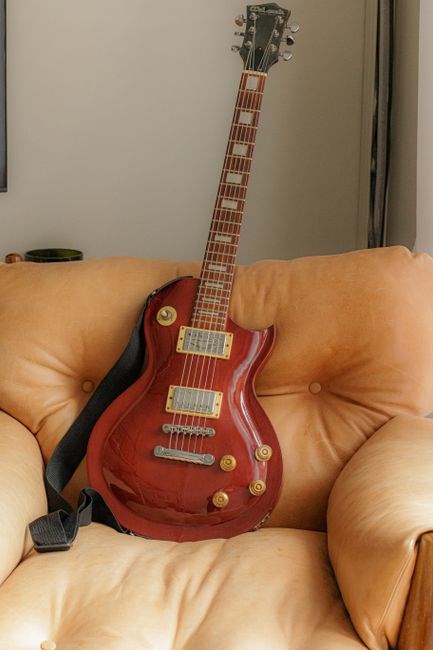
Gretsch 2220’s bridge is a vintage‑style brass plate with a built‑in tremolo arm offering a look and reliable tuning stability. The bridge plate is mounted with six adjustable screws that allow fine‑tuning of string height and intonation. The tremolo arm is designed for smooth operation, with a rubber pad that reduces friction and protects the finish. The hardware set includes six chrome‑plated brass tuning pegs that provide a bright, resonant tone and easy string changes. The pegs are engineered with a precision‑cut gear for smooth rotation and minimal resistance. The tailpiece is a heavy‑weight brass bar that anchors the strings securely, ensuring consistent tension across the neck. The tailpiece is also adjustable, allowing players to fine‑tune the overall string tension for optimal playability. The entire hardware set is finished in a satin chrome coating that resists corrosion and adds a subtle shine to the instrument. The combination of brass bridge, tremolo arm, and chrome hardware delivers a classic Gretsch feel, with a balanced tone that is both bright and warm. The hardware is engineered for durability, with high‑quality materials that can withstand frequent use and the demands of touring musicians. The bridge and hardware are designed to work together, providing a stable platform for the strings while offering the flexibility needed for expressive playing. The overall hardware package is a key component of the Gretsch 2220’s signature sound and playability, ensuring that the instrument remains reliable and responsive for years of use.

Maintenance and Care
Keep the Gretsch 2220 clean by wiping strings and body after each session. Store it in a padded case, avoid extreme temperatures, and use a humidity control pack. Regularly check hardware for tightness and replace worn strings promptly. Keep the guitar in a padded case with a humidity pack andkeepit dry.
5.1 Cleaning Routine
Begin each cleaning session by removing the strings to prevent accidental damage to the fretboard and to allow easier access to the body and electronics. Use a soft, lint‑free microfiber cloth dampened with a mild, pH‑neutral cleaner specifically formulated for guitar finishes. Gently wipe the body, paying close attention to the edges and any recessed areas where dust accumulates. For the fretboard, apply a small amount of a dedicated fretboard oil or conditioner to a clean cloth and work it into the wood in the direction of the grain. This helps maintain the natural oils and prevents the wood from drying out, which can lead to cracking over time. When cleaning the electronics, use a soft brush or a cotton swab lightly moistened with isopropyl alcohol (70% or higher) to remove grime from the potentiometers, switches, and pickup covers. Be careful not to let liquid seep into the circuitry. After cleaning, allow the components to dry completely before re‑attaching the strings. Finally, re‑string the guitar using a high‑quality set of strings. Inspect the tuning pegs and bridge for any signs of wear or loose screws, tightening them gently if necessary. A well‑maintained instrument not only sounds better but also lasts longer, preserving the classic Gretsch tone and feel.

Inspect the pickup screws for tightness and ensure the potentiometers are free of dust. A silicone lubricant on moving parts reduces noise. Test the guitar’s tone and playability before storing it. Keep the strings clean after each use. Polish fretboard.
5.2 Storage Tips
To preserve the Gretsch 2220’s finish, wood, and electronics, store the instrument in a climate‑controlled environment. Keep the guitar in its original case or a padded gig bag when not in use. Avoid placing it in direct sunlight or near heat sources, as UV rays and heat can cause the finish to yellow and the wood to warp. Maintain a relative humidity of 45–55 % using a hygrometer and a small desiccant pack or a humidifier if the room is too dry. When traveling, secure the guitar with a strap or a padded support to prevent accidental drops. Remove the strings before long storage; this reduces tension on the neck and helps prevent fret wear. Store the guitar upright or on its side, but never on its belly, to avoid pressure on the body. Periodically inspect the hardware for loose screws and tighten them gently. If you plan to store the guitar for several months, consider a storage case with a built‑in humidity control system. Regularly check the case for moisture buildup and replace the desiccant if it becomes saturated. By following these simple steps, you’ll keep the Gretsch 2220 in pristine condition, ready to deliver its classic tone whenever you’re ready to play. Store the guitar in a padded interior of a hard case, ensuring the case is dry before use. Use a case with a built‑in ventilation system to prevent condensation. If you have a dedicated storage room, keep the temperature between 18–22 °C. Avoid storing the guitar near chemicals or strong odors, as these can damage the finish. Periodically check the case’s seals for wear and replace them if necessary. If you travel frequently, consider a lockable case to protect against theft. Finally, label the case with your contact information for easy identification. By following these additional precautions, you can extend the life of your Gretsch 2220 and maintain its tonal integrity over time. Check the case’s seals regularly and replace them if they show wear, guitarnow.

Common Issues and Troubleshooting
Common problems with the Gretsch 2220 include a loose bridge, a buzzing pickup, a muted string, or a worn strap button. Inspect the hardware first: tighten bridge screws, replace worn nuts or saddles, and seat strings correctly. If the guitar buzzes, adjust pickup height and screws until the signal is clean. A muted string usually means a broken string or a faulty tension regulator; replace or adjust the regulator lever. For a dead‑zone in the neck, check the truss rod; a slight adjustment restores proper action. If electronics fail, test the wiring harness for loose connections and replace corroded terminals. Sticky volume or tone knobs can be fixed by cleaning potentiometers with contact cleaner and greasing the contacts. A buzzing or crackling sound when moving the guitar often results from loose strap buttons; tighten them and ensure the strap is not too loose. Cracked finish can be protected by applying a wax or a guitar polish. If the pickup selector switch is faulty, replace it. Shorts between volume and tone circuits can be resolved by inspecting solder joints and re‑soldering bridges. Low output may indicate a damaged pickup or a volume knob. Hiss can be eliminated by cleaning the input jack. Reduced sustain may be due to string‑to‑bridge contact; consider new strings or a bridge plate. Keep instrument in a stable environment to prevent humidity‑related damage. Following these steps will help diagnose and correct most issues efficiently. Use a soft cloth and a mild cleaner for routine maintenance. DailyOK.
and Resources
The Gretsch 2220 manual offers a concise guide for owners, covering setup, maintenance, and troubleshooting. It details wiring diagrams, pickup options, cleaning routines, ensuring players keep their instrument in peak condition. The manual includes a checklist and FAQ section for common issues.
Whether you are a seasoned professional or a budding enthusiast the Gretsch 2220 remains versatile platform that adapts to various genres—from classic rock to jazz blues. Its semi‑acoustic body delivers a warm, resonant tone, while the adjustable tremolo system allows expressive vibrato. The manual’s wiring diagram clarifies how to route signals for optimal clarity, and the included maintenance checklist ensures you never miss a critical service step. By keeping the instrument’s hardware secure its electronics clean, you preserve reliability sonic character. The Gretsch 2220’s heritage, combined modern conveniences makes it timeless choice for any guitarist seeking depth, warmth, a touch of vintage flair.