
The History of the Christian Church: A Comprehensive Overview
Numerous PDF resources detail Christian history, including Jesse Lyman Hurlbut’s work and Justo L. González’s texts, offering comprehensive narratives of the church’s two-millennia journey.
Studying Christian history necessitates examining available resources, like the PDF versions of “Historia de la Iglesia Cristiana” by Hurlbut and González’s works. These texts provide foundational narratives, tracing the church’s evolution from its origins.

Analyzing these historical accounts reveals the interplay between faith, culture, and political power, offering insights into the church’s enduring impact. Accessing these PDF documents facilitates a deeper understanding of Christianity’s complex past.
Early Church History (1st ౼ 3rd Century)
Early Christian history, detailed in PDF resources like Hurlbut’s “Historia,” reveals a period of intense Roman persecution. Despite facing martyrdom and opposition, the church experienced significant growth during these formative centuries.
These historical accounts, readily available as PDF downloads, illustrate the resilience of early believers and the spread of Christian teachings throughout the Roman Empire, laying the groundwork for future development.
The Roman Persecution of Christians
PDF historical texts, such as those detailing the “Historia de la Iglesia Cristiana,” document the Roman Empire’s attempts to destroy the burgeoning Christian faith. Numerous Christians faced martyrdom during the 2nd, 3rd, and early 4th centuries.
Despite this brutal suppression, readily accessible in PDF format, the church not only survived but demonstrably increased in numbers, showcasing the unwavering commitment of early believers and the power of their message.
Growth of the Early Church Despite Opposition
PDF resources on “Historia de la Iglesia Cristiana” reveal that, despite facing intense Roman persecution and the martyrdom of countless followers, the early church experienced significant growth. This expansion occurred even amidst attempts at its destruction.
Accessible historical accounts, often found in PDF format, demonstrate the church’s resilience, fueled by fervent evangelism and the compelling nature of its core beliefs, ultimately leading to its widespread adoption.
The Constantinian Shift (4th Century)
Historical PDF documents, like those detailing “Historia de la Iglesia Cristiana,” illustrate the pivotal 4th-century shift initiated by Constantine. The Edict of Milan, as detailed in these resources, granted religious tolerance, dramatically altering the church’s status.
Further PDF analyses reveal this era also saw the convening of the Council of Nicaea, crucial for doctrinal development and solidifying core Christian beliefs, marking a turning point in church history.
The Edict of Milan and its Impact
PDF historical accounts, such as Hurlbut’s “Historia de la Iglesia Cristiana,” emphasize the Edict of Milan’s significance in 313 AD. This decree, readily available in digitized formats, ended Roman persecution, granting Christians legal rights and religious tolerance.
These PDF resources demonstrate the impact extended beyond mere tolerance; it facilitated church growth and allowed Christians to openly practice their faith, fundamentally reshaping the religious landscape of the Roman Empire.
The Council of Nicaea and Doctrinal Development
PDF versions of church history texts, like González’s “Historia del Cristianismo,” detail the pivotal 325 AD Council of Nicaea. This council, documented in accessible PDF formats, addressed the Arian controversy, solidifying core Christian doctrines.
Specifically, the Nicene Creed, a foundational statement of faith, emerged from these proceedings, establishing Jesus Christ’s divinity and influencing theological development for centuries, as evidenced in comprehensive historical PDFs.
The Medieval Church (5th ౼ 15th Century)
Historical PDFs, such as Hurlbut’s “Historia de la Iglesia Cristiana,” chronicle the Church’s role following the Roman Empire’s fall. These texts detail the fusion of Roman and barbarian civilizations, a key event in Christian history, readily available in PDF format.
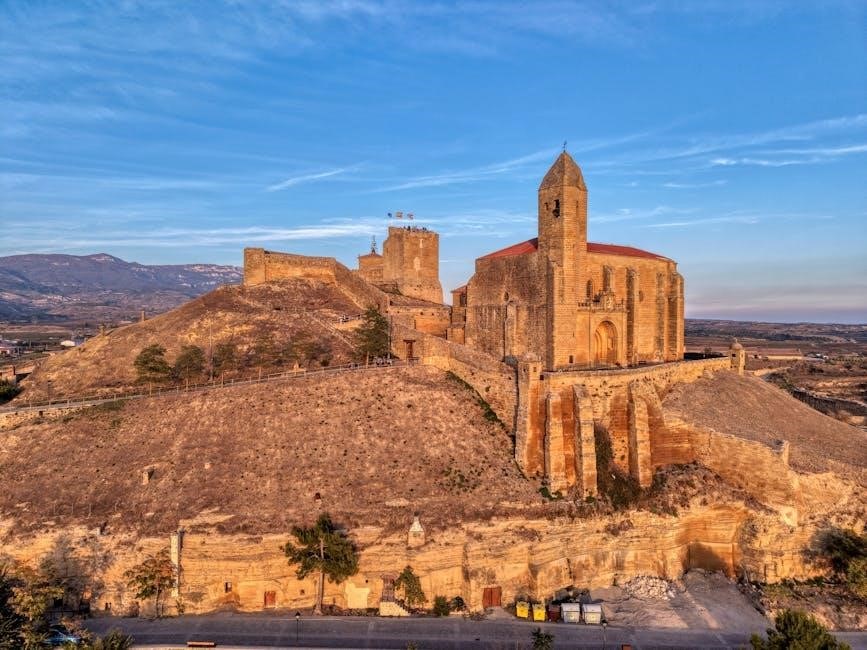
Furthermore, these resources illuminate the rise of Papal authority during this period, showcasing the Church’s evolving power structure and influence, comprehensively documented within accessible PDF historical accounts.
The Fall of the Roman Empire and the Church’s Role
Accessible PDF documents, like those detailing “Historia de la Iglesia Cristiana,” reveal the Church’s significant role amidst the Roman Empire’s decline. These sources highlight how the Church persevered, even as empires crumbled, offering stability and continuity.
Moreover, these historical PDFs demonstrate the Church’s increasing influence as Roman power waned, becoming a central institution in the emerging medieval world, a narrative richly detailed in available texts.
The Rise of Papal Authority
Historical PDFs, such as Hurlbut’s “Historia de la Iglesia Cristiana,” chronicle the gradual ascent of papal authority during the medieval period. These texts illustrate how the papacy expanded its influence, initially filling the power vacuum left by the declining Roman Empire.
Furthermore, these PDF resources detail the evolving relationship between the Church and political powers, showcasing the papacy’s increasing claims to spiritual and temporal authority, a pivotal development in church history;
The Protestant Reformation (16th Century)

Digital PDF archives of “Historia de la Iglesia Cristiana” detail Martin Luther’s challenge to the Catholic Church, beginning with the Ninety-Five Theses. These resources illustrate the rapid spread of Protestant ideas, fueled by the printing press and discontent with existing practices.
Moreover, these PDFs document the fragmentation of Western Christianity, charting the emergence of diverse Protestant denominations and the ensuing religious and political upheaval across Europe.
Martin Luther and the Ninety-Five Theses
Historical PDF documents, like Hurlbut’s “Historia de la Iglesia Cristiana,” reveal Luther’s 1517 challenge to indulgences via his Ninety-Five Theses. These texts demonstrate his critique of papal authority and the sale of forgiveness.
Furthermore, these PDF resources showcase how Luther’s actions, initially intended for academic debate, ignited the Protestant Reformation, fundamentally altering the religious landscape of Europe and beyond, as detailed in available historical accounts.
The Spread of Protestant Denominations
Accessible PDF historical texts, such as González’s “Historia del Cristianismo,” illustrate the rapid diversification following Luther’s challenge. These resources detail the emergence of Calvinism, Anabaptism, and Anglicanism, each with distinct theological interpretations.
Moreover, these PDF documents demonstrate how political and social factors facilitated the spread of these denominations across Europe, leading to religious wars and reshaping the continent’s religious map, as evidenced by detailed historical analyses;
Post-Reformation Christianity (17th ౼ 19th Century)
Digital PDF archives, like Hurlbut’s “Historia de la Iglesia Cristiana,” reveal the Counter-Reformation’s impact, detailing the Catholic Church’s response to Protestantism. These texts showcase the rise of new religious orders and missionary efforts.
Furthermore, these PDF resources illustrate how the Enlightenment challenged traditional Christian beliefs, prompting theological debates and the emergence of liberal Protestantism, significantly altering the religious landscape of the era.
The Counter-Reformation
Accessible through PDF formats like Hurlbut’s “Historia de la Iglesia Cristiana,” the Counter-Reformation is detailed as the Catholic Church’s vigorous response to the Protestant Reformation. PDF documents showcase the Council of Trent’s pivotal role in clarifying doctrine.
These historical PDFs reveal the establishment of new religious orders—like the Jesuits—and a renewed emphasis on missionary work, aiming to revitalize Catholicism and stem the spread of Protestant ideas across Europe and beyond.

The Enlightenment and its Challenge to Christianity
Historical PDFs, such as those detailing “Historia de la Iglesia Cristiana,” illustrate how the Enlightenment’s emphasis on reason and individualism posed a significant challenge to traditional Christian beliefs. Documents reveal critiques of religious dogma and institutional authority.
These PDF resources demonstrate how thinkers questioned miracles, divine intervention, and the Bible’s literal interpretation, leading to skepticism and secularization, profoundly impacting the church’s role in society and intellectual life.
Christianity in the 20th and 21st Centuries
PDF historical accounts, like “Historia de la Iglesia Cristiana,” showcase the 20th and 21st centuries marked by Pentecostalism’s rise and global expansion. These documents detail Christianity’s adaptation to modernity, facing secularism and political shifts.
Resources illustrate the church navigating world wars, social movements, and increasing religious diversity, alongside continued growth in Africa, Asia, and Latin America, as evidenced in available PDF texts.
The Rise of Pentecostalism and Charismatic Movements
Historical PDFs, such as those detailing “Historia de la Iglesia Cristiana,” document the 20th-century emergence of Pentecostalism and Charismatic movements. These texts reveal a focus on spiritual gifts—healing, prophecy, and speaking in tongues—and experiential worship.
Resources show these movements rapidly growing globally, particularly in developing nations, often filling spiritual voids and offering community. PDF analyses explore their impact on traditional denominations and evolving Christian practices.
Global Expansion of Christianity

Historical PDFs, like those covering “Historia de la Iglesia Cristiana,” illustrate Christianity’s spread beyond its origins. They detail its journey from the Roman Empire to Africa, Asia, and Latin America, often alongside colonial endeavors.
Resources highlight the 20th and 21st-century growth in the Global South, becoming a dominant force. PDF analyses explore the adaptation of Christian beliefs to local cultures and the emergence of indigenous Christian expressions worldwide.
Key Figures in Church History
PDF historical texts, such as “Historia de la Iglesia Cristiana,” meticulously document pivotal figures. They detail the Apostles’ foundational roles and early Church leaders’ contributions to doctrine and organization.
Furthermore, these resources explore the impact of Reformers like Martin Luther and influential theologians throughout the centuries. PDF analyses often provide biographical details and contextualize their theological arguments within the broader historical narrative.
Apostles and Early Church Leaders
“Historia de la Iglesia Cristiana” PDFs extensively cover the Apostles’ initial spread of Christianity and their martyrdoms under Roman persecution. These texts detail their roles in establishing early Christian communities despite significant opposition.
Early Church leaders, documented within these historical PDFs, faced challenges in defining doctrine and navigating the evolving Roman Empire. Their leadership shaped the nascent church’s structure and theological foundations.
Reformers and Theologians
“Historia de la Iglesia Cristiana” PDFs meticulously document the pivotal roles of Reformers like Martin Luther, whose Ninety-Five Theses ignited the Protestant Reformation. These resources detail the theological debates and challenges to established doctrines.
Theologians throughout church history, as explored in these PDFs, shaped Christian thought and practice. Their writings and interpretations influenced the development of various Protestant denominations and theological perspectives.

Available Resources: “Historia de la Iglesia Cristiana” PDF and Related Texts
Numerous PDF versions of “Historia de la Iglesia Cristiana” by Jesse Lyman Hurlbut are readily accessible online, offering a detailed historical account. Justo L. González’s “Historia del Cristianismo” provides another valuable resource for studying church history.
These digital texts facilitate research, allowing scholars and enthusiasts to explore the church’s evolution. Downloadable PDFs offer convenient access to comprehensive narratives spanning two millennia of Christian history and theological development.
Jesse Lyman Hurlbut’s “Historia de la Iglesia Cristiana”
Hurlbut’s “Historia de la Iglesia Cristiana” is a widely available PDF, presenting a fascinating journey through two thousand years of church history. This work is noted for its vivid and ardently evangelical approach, condensing a vast historical scope.
The text offers a comprehensive overview, though comparatively concise, making it accessible for those seeking a foundational understanding of Christian history. Its free availability as a PDF enhances its accessibility for students and researchers alike.
Justo L. González’s “Historia del Cristianismo”
González’s “Historia del Cristianismo” is another significant resource, frequently found as a PDF download. This text provides a detailed exploration of Christian history, recognized for its scholarly depth and comprehensive coverage of the church’s development.
The work delves into the complexities of the Christian faith’s evolution, offering insights into key events and theological shifts. Its accessibility in PDF format makes it a valuable tool for academic study and personal enrichment.
Theological Developments Throughout Church History

Studying the historia de la iglesia cristiana, often through PDF resources, reveals a dynamic evolution of Christian doctrine. Early debates, like those addressed at the Council of Nicaea, shaped core beliefs.
These theological shifts, documented in historical texts, reflect the church’s ongoing attempt to understand and articulate its faith. PDF versions of church histories provide access to these crucial developments, illuminating the intellectual journey of Christianity.
Evolution of Christian Doctrine
Exploring the historia de la iglesia cristiana via PDF documents showcases how Christian doctrine wasn’t static. Early understandings of Jesus’ nature, for example, prompted significant debate and refinement.
Resources like Hurlbut’s work detail this progression, revealing how theological concepts evolved over centuries. These PDF texts demonstrate the church’s continuous effort to clarify beliefs, responding to internal discussions and external challenges.
Major Theological Debates
Studying the historia de la iglesia cristiana through PDF sources reveals pivotal theological disputes. The Arian controversy, concerning the divinity of Christ, is a prime example, documented in texts like González’s work.
These PDF resources illustrate how debates at Nicaea shaped core Christian beliefs. Further controversies, concerning grace, salvation, and the sacraments, fueled schisms and reformations, all detailed within these historical accounts.
The Church and Political Power
Examining historia de la iglesia cristiana PDFs reveals a complex interplay between faith and governance. The conversion of Constantine dramatically altered this dynamic, as detailed in Hurlbut’s account.
These resources demonstrate how the Church navigated Roman imperial power, then influenced medieval kingdoms, and later confronted modern nation-states. PDF texts illustrate the church’s role in both supporting and challenging political authorities throughout history.
Relationship Between Church and State
Analyzing historia de la iglesia cristiana PDFs highlights the evolving relationship between spiritual and secular authority; Documents like Hurlbut’s chronicle the shift from persecution to imperial favor under Constantine, fundamentally altering this dynamic.
These texts reveal periods of cooperation, conflict, and mutual influence, showcasing how the Church both shaped and was shaped by political systems across centuries, impacting governance and societal structures.
Influence of Christianity on Political Systems
Examining historia de la iglesia cristiana PDFs reveals Christianity’s profound impact on political thought and structures. Texts detail how Christian ethics influenced legal codes, concepts of justice, and the development of welfare systems.
Furthermore, the Church’s role in mediating conflicts, legitimizing rulers, and advocating for social reform—as documented in historical accounts—demonstrates its enduring power in shaping political landscapes throughout history.
The Impact of Christianity on Culture and Society
Analyzing historia de la iglesia cristiana PDFs showcases Christianity’s immense cultural influence, inspiring countless works of art, music, and literature. Historical texts highlight the Church’s foundational role in establishing educational institutions and charitable organizations.
Moreover, these resources demonstrate how Christian values shaped societal norms, ethical frameworks, and the development of Western civilization, leaving an indelible mark on global culture.
Art, Music, and Literature Inspired by Christianity
Examining historia de la iglesia cristiana PDFs reveals a profound artistic legacy; from Renaissance masterpieces to Gregorian chants and epic poems. These historical documents illustrate how Christian themes permeated creative expression.
The Church served as a vital patron of the arts, commissioning works that visually and aurally communicated theological concepts, profoundly shaping Western artistic traditions and literary narratives.
Christian Contributions to Education and Social Welfare
Analysis of historia de la iglesia cristiana PDFs demonstrates the Church’s pivotal role in establishing early educational institutions and hospitals. Monasteries preserved classical knowledge, while charitable organizations provided care for the poor and vulnerable.
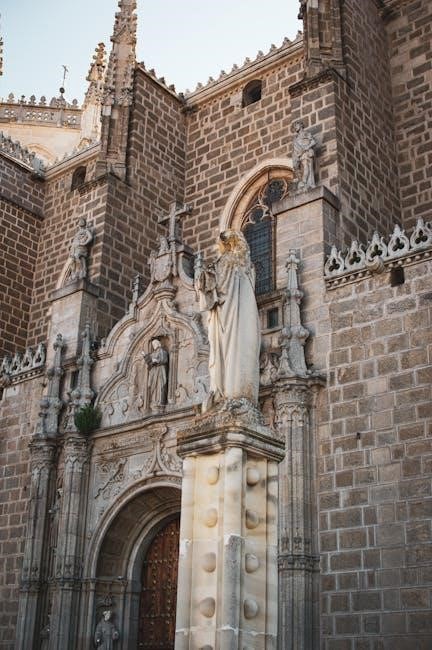
Throughout history, Christian values motivated social reforms and the development of welfare systems, impacting healthcare, education, and poverty alleviation, leaving a lasting societal imprint.
Challenges and Controversies in Church History
Examining historia de la iglesia cristiana PDFs reveals recurring challenges like heresies and schisms that fractured unity. Roman persecution, doctrinal disputes, and power struggles created significant controversies throughout the centuries.
Furthermore, scandals and corruption within the Church tested its credibility, prompting reform movements and theological debates, as documented in historical accounts and scholarly analyses.
Heresies and Schisms
Analyzing historia de la iglesia cristiana PDFs highlights numerous heresies—deviations from accepted doctrine—that threatened early church unity. Arianism, for example, sparked intense debate.
Schisms, or formal divisions, arose from theological disagreements and power struggles, fracturing the church into distinct groups. These controversies, detailed in historical texts, shaped Christian development and doctrine over time.
Scandals and Corruption
Historical historia de la iglesia cristiana PDFs reveal periods marred by scandals and corruption within the church hierarchy. Instances of simony—the buying and selling of church offices—and nepotism were prevalent during the Medieval era.
Furthermore, accounts detail moral failings of some clergy, impacting the church’s reputation and prompting calls for reform. These events, documented in historical analyses, demonstrate the church’s human vulnerabilities.
The Continuing Story of the Christian Church
Examining historia de la iglesia cristiana PDFs reveals a dynamic, evolving faith. From early persecution to global expansion, the church’s narrative is one of resilience and adaptation.
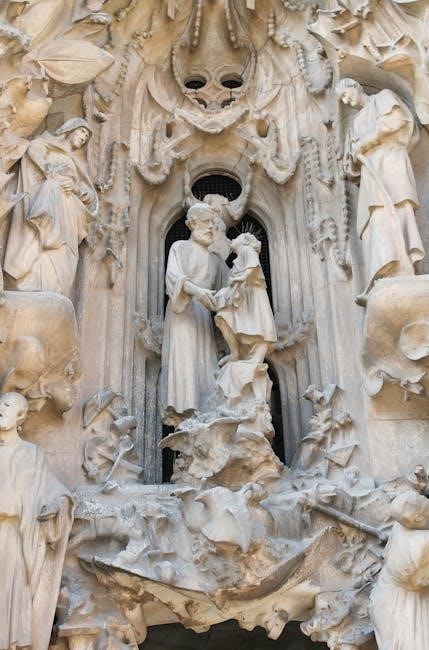
These historical accounts, like those by Hurlbut and González, demonstrate the church’s enduring influence on culture and society, while acknowledging internal struggles and ongoing transformations. The story continues today.